

Can you tell us a bit about yourself and your role as an industry leader?
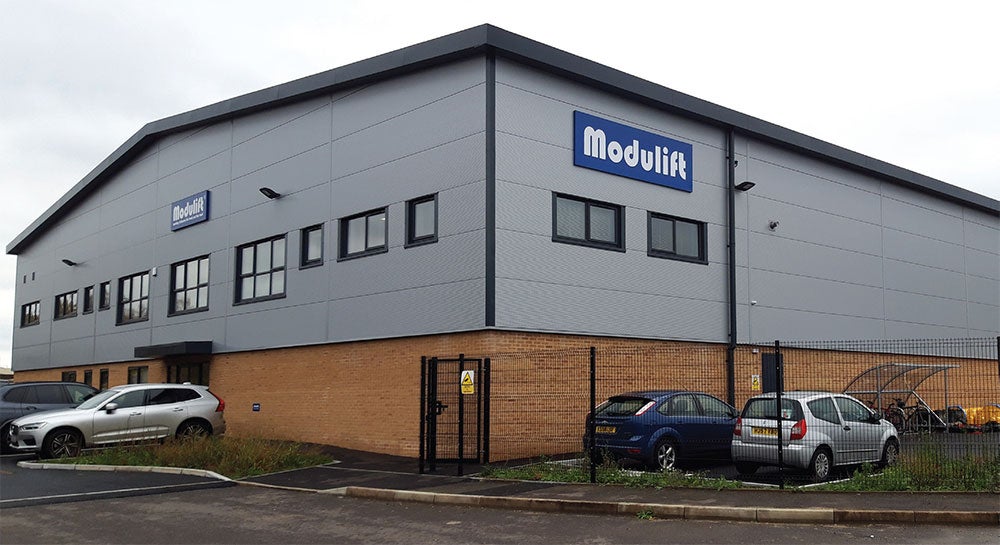
I am the managing director of Modulift, a company that designs and manufactures modular spreader beams and lifting equipment used across construction, energy, infrastructure and offshore projects worldwide. My background is in business studies, and I began my career in marketing before joining Modulift and progressing to managing director. That commercial grounding has been invaluable – it gave me a deep understanding of brand, communication and customer relationships, which I now combine with strategic and operational oversight.
As an industry leader, my role is about more than managing a business. It’s about setting direction, driving innovation and ensuring we maintain the highest standards of safety and engineering. Lifting is a sector where safety and reliability are non-negotiable. The equipment we design is used in critical lifts, often in challenging environments, so accountability and attention to detail are central to everything we do.
Leadership in this industry also means championing people. I am passionate about building strong, capable teams and creating an environment where individuals can grow, contribute ideas and challenge convention. The lifting sector is evolving rapidly, and it requires leaders who are willing to adapt, invest in new technology and continuously improve.
For me, leadership is about balancing commercial performance with long-term sustainability – supporting our customers, developing our people and ensuring we continue to push the boundaries of what modular lifting solutions can achieve.

Can you tell us how you got into this industry and why?
After completing my degree in business studies, I began my career in marketing. That role eventually led me to Modulift, where I initially focused on brand development and global growth. Over time, I became increasingly immersed in the technical and operational side of the business.
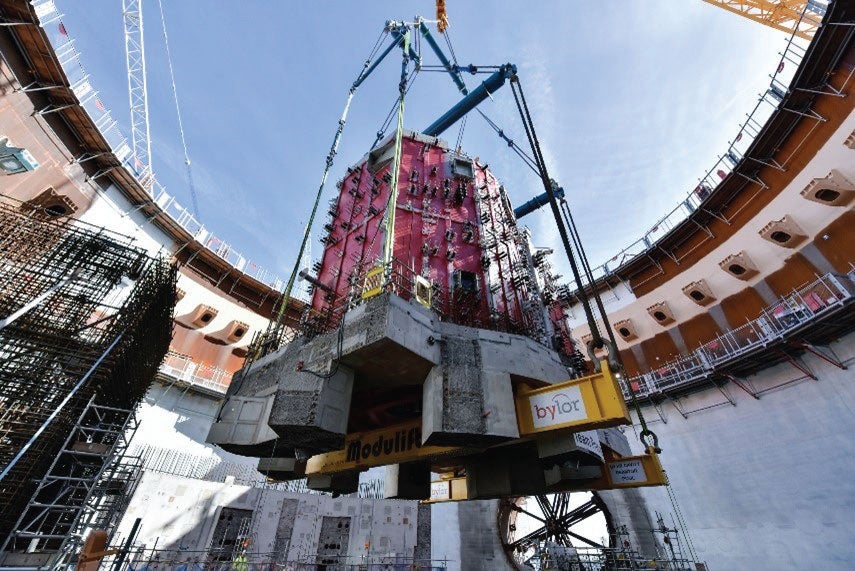
What drew me in was the combination of engineering innovation and real-world impact. Lifting equipment plays a vital role in enabling infrastructure projects, renewable energy developments, modular construction and complex installations around the world. It is a sector that quite literally shapes our future. Being part of that – knowing that the solutions we design contribute to major projects – was incredibly motivating.
I was also inspired by the problem-solving nature of the industry. No two lifting challenges are exactly the same. Each project brings its own constraints: weight distribution, site access, safety requirements, environmental conditions. Finding efficient, safe and engineered solutions requires collaboration between technical teams, customers and suppliers.
The industry is often perceived as traditional, but I quickly realised it is far more innovative than many assume. From advancements in design engineering to digital tools and sustainability initiatives, lifting is constantly evolving.
Ultimately, I stayed – and progressed – because I saw the opportunity to contribute meaningfully to an industry that values safety and practical innovation, while also having the chance to shape its future direction.
What makes your company stand out?
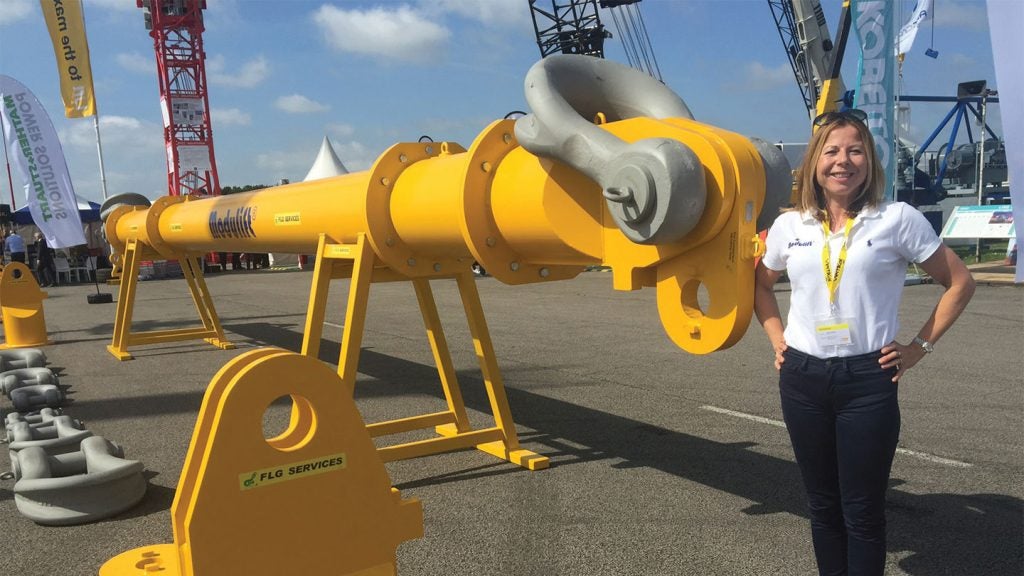
At Modulift, what sets us apart is our engineering approach. Our core product range is built around modular spreader beams that can be configured to suit a wide variety of lifting applications. This flexibility allows customers to adapt equipment to different spans and capacities without needing an entirely custom solution for every project.
Innovation is central to our identity. Our designs are developed using advanced engineering tools, and our products are used globally across multiple sectors. We focus on delivering solutions that prioritise safety, efficiency and repeat usability.
Another key differentiator is our customer collaboration. We work closely with clients at the planning stage of lifts, offering technical support and guidance to ensure the equipment selected is optimised for the task. That consultative approach builds long-term relationships rather than one-off transactions.
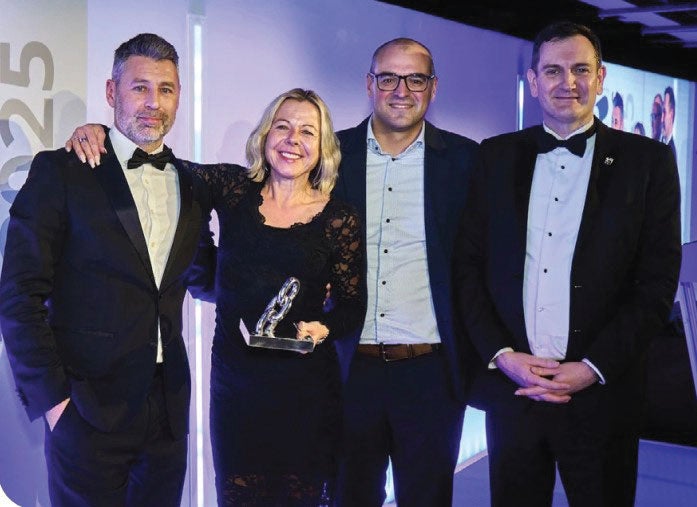
We also place strong emphasis on quality control and compliance. In lifting, there is no margin for error. Every component must perform as intended, and our manufacturing and testing processes reflect that responsibility. Finally, it’s our people. Engineering expertise combined with commercial understanding allows us to deliver practical, scalable solutions. Our team understands that lifting is about trust – and maintaining that trust is fundamental to everything we do.
What do you like about the industry?
What I enjoy most about the lifting industry is the tangible impact it has. It underpins so many essential sectors – from infrastructure and transport to renewable energy and large-scale construction. Lifting solutions are often behind the scenes, but they are critical to enabling progress.
I also value the strong sense of community within the sector. Despite being global, it is an industry built on relationships and reputation. Collaboration between manufacturers, contractors, engineers, distribution partners and operators is vital. There is a shared understanding that safety and reliability come first.
The technical challenges are another aspect I find rewarding. Lifting requires precise engineering and careful planning. Every lift must account for load distribution, environmental factors and regulatory requirements. That combination of engineering rigour and practical execution keeps the industry dynamic. Importantly, I have seen attitudes evolving.
There is more recognition of the benefits of diversity, digitalisation and sustainability. More conversations are taking place around inclusion and representation, which is encouraging.
It’s an industry where you can see the results of your work in real-world projects, whether that’s a new building, a piece of infrastructure or a renewable installation. That visibility, combined with continuous innovation, makes it a sector that is both challenging and fulfilling.
Why should people want to join and work in this industry?
The lifting industry offers far more opportunity than many people realise. It combines engineering, technology, logistics, project management, manufacturing and commercial roles – meaning there are multiple pathways into the sector.
For those who enjoy problem-solving and practical challenges, it is incredibly rewarding. You are not working on abstract concepts; you are contributing to projects that have visible, lasting impact. The work demands responsibility and accountability, which in turn builds strong professional skills.
It is also an industry that values competence and commitment. While historically male-dominated, progress is being made, and there is growing awareness of the need for diverse perspectives. Encouraging more women and underrepresented groups into lifting strengthens the sector overall. Different viewpoints lead to better collaboration, innovation and risk management.
There is significant potential for career progression. Technical knowledge can be developed through experience and training, and leadership opportunities are available for those willing to take initiative. For anyone considering joining – particularly young people – my advice is to be confident in your abilities.
The industry needs fresh thinking and new talent. With the right support and determination, it offers a stable, impactful and fulfilling career path. Trust in your own abilities, stay determined and look for mentors who can help guide your development. Don’t shy away from stepping beyond what feels comfortable – technical knowledge can always be gained, but it’s your confidence and drive that truly make you stand out.
What are your expectations for the industry going forward? Any trends or challenges that you foresee?
Looking ahead, I expect to see continued focus on digitalisation, efficiency and sustainability. Engineering tools are becoming more advanced, allowing for more accurate design modelling and improved planning of complex lifts. This enhances safety and performance across projects.
Sustainability will also play an increasing role. Clients are looking for solutions that reduce material waste, improve reusability and support environmental targets. Modular equipment, which can be adapted and reused across projects, aligns well with these priorities.
One of the challenges we must address is skills development. As experienced professionals retire, attracting and retaining new talent becomes critical. Promoting the industry as innovative and forward- thinking will be essential to bridging that gap.
Also, Global supply chain pressures and evolving regulatory requirements will further shape the sector. Companies will need to remain agile, invest in quality processes and maintain transparency with customers.
Overall, I am optimistic. The lifting industry is fundamental to infrastructure growth and renewable development. With the right investment in people and technology, it is well positioned to continue evolving in a positive direction.
Are there any projects or initiatives that your company is working on that you’re excited about?
At Modulift, we are continuously refining and expanding our modular lifting solutions to meet the changing demands of global projects. I am particularly excited about initiatives that enhance flexibility and usability for customers operating in complex environments.
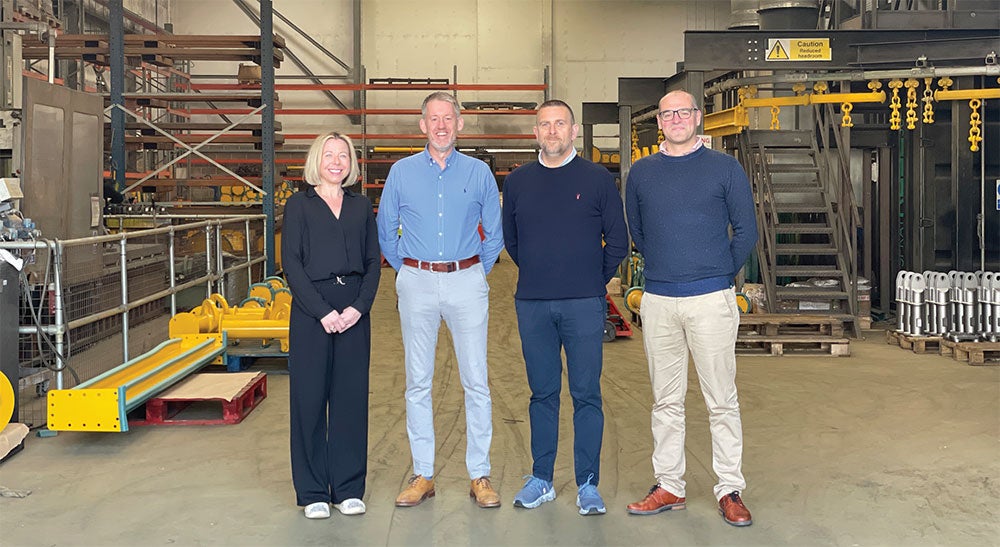
Becoming part of the pewag group has been a significant milestone for us. Modulift, Load Monitoring Systems, Aberdeen Web and pewag now operate collectively in the global market to deliver a complete below-the-hook solution from a single, integrated supply chain. By bringing together modular spreader beams, chain and hook systems, synthetic slings and load monitoring technology, we can provide customers with a fully compatible and integrated lifting package.
Sustainability is another area I’m passionate about. Pewag is working toward carbon neutrality across its subsidiaries by 2030, supported by measurable emissions reductions and increased renewable energy use. At Modulift, we have installed 338 solar panels across our facility – equivalent to planting 2,302 trees – and we actively measure and offset travel-related carbon emissions as part of our wider footprint strategy.
Alongside this, innovation remains central to our approach. Across the group, we are developing practical solutions that address real lifting challenges – from improving load distribution and preventing sling wear, to enhancing hook security, increasing working load limits and providing accurate centre of gravity data. By focusing on engineering-led improvements, we ensure our customers are equipped to manage increasingly demanding lifting environments with confidence.
Furthermore, we are investing in engineering development to improve configurability and performance across our spreader beam systems. Supporting sectors such as renewable energy and modular construction presents opportunities to innovate further, ensuring equipment can handle increasingly varied and demanding lifts.
Internally, I am equally focused on people development and inclusion. Creating clear pathways for progression, mentoring talent and fostering a culture where everyone can contribute ideas is a priority. Long-term success depends as much on our team as it does on our products.
We are also strengthening our global presence, building partnerships and expanding into new markets. Seeing our equipment used on projects around the world is something I find incredibly rewarding.
The combination of technical innovation, global collaboration and team development makes this an exciting period for both the company and the wider industry.


